Books
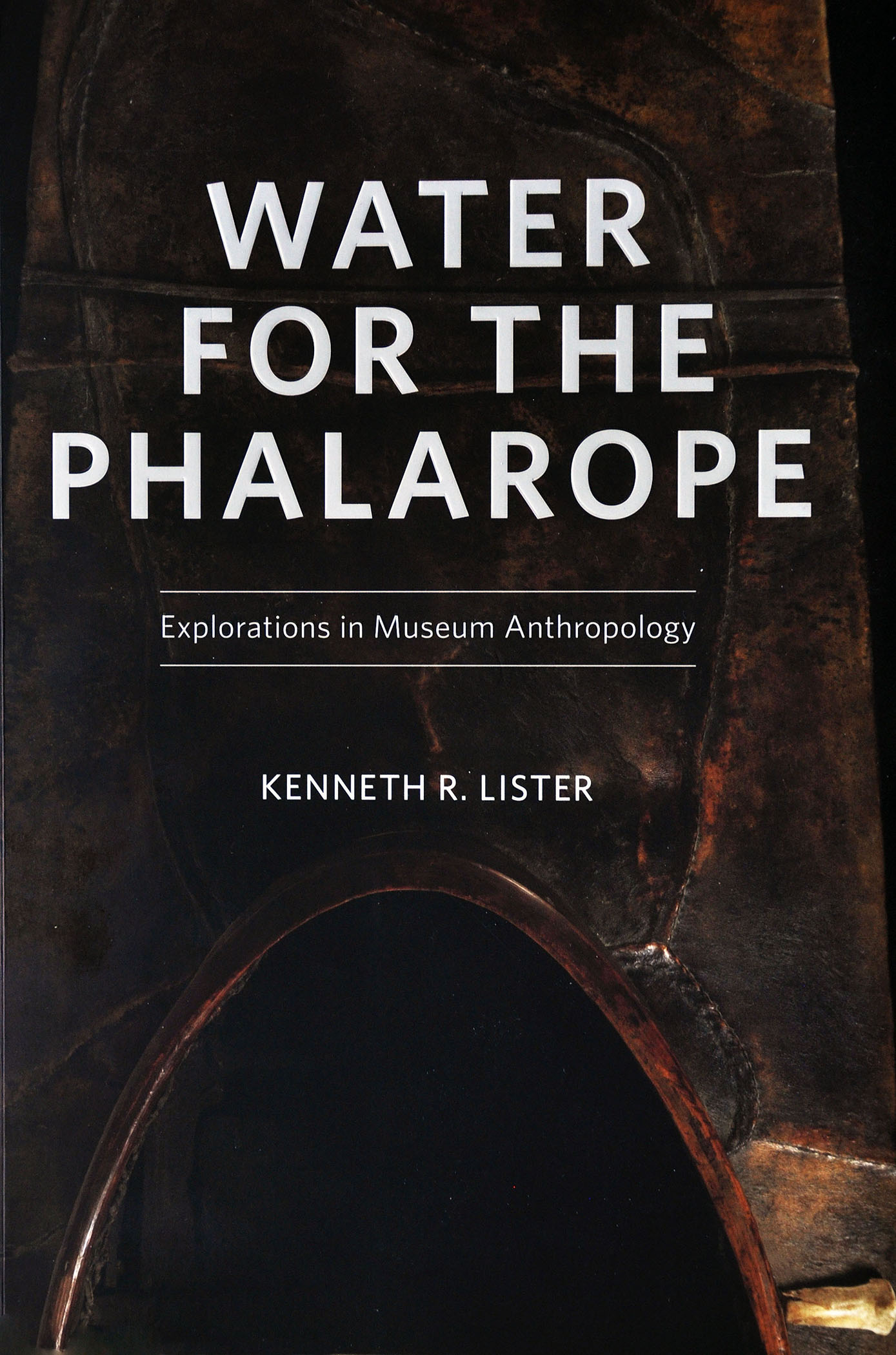
2019. Water for the Phalarope: Explorations in Museum Anthropology. Toronto: Royal Ontario Museum
Based upon the ethnographic collections of the Royal Ontario Museum (Toronto), this volume brings cultural and historical contexts to objects as diverse as Inuit kayaks, Inuit historic and contemporary sculpture, Cree snowshoes, and the two-dimensional art of Canadian artist Paul Kane. Community involvement and field research beyond the walls of the museum are shown to be fundamental to understanding objects as patterns of memory. Thus, I refer to the epigraph in the introductory chapter as the decisive motive for material culture research and the enduring value of museum collections: “We need these traditions,” writes Margaret Nelson, “not only to know who we are, but to know who we can become.” The essays in this volume honour the spirit of Margaret Nelson’s viewpoint and demonstrate that the role of the museum is to penetrate the inner spaces. With the help of elders and traditional-knowledge keepers, we are invited to enter the spaces binding the object to memory, relationships, and cultural patterns.
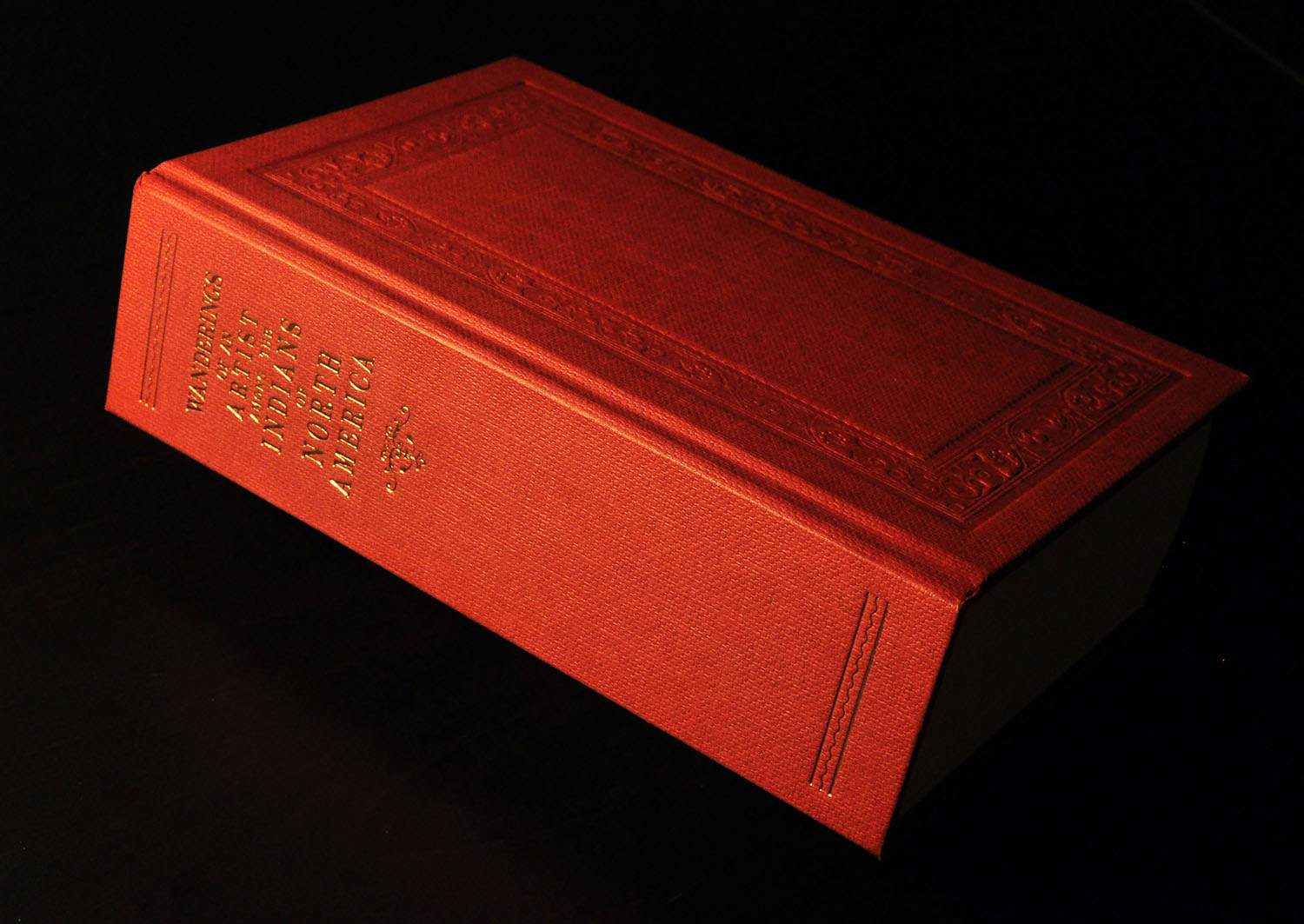
2016. Wanderings of an Artist among the Indians of North America. Enhanced Edition. Toronto: Royal Ontario Museum Press
Canadian artist Paul Kane (1810–1871) journeyed between Toronto and the Pacific coast in the late 1840s to illustrate the customs of Indigenous peoples and “to represent the scenery of an almost unknown country.” The narrative of the artist’s years of travel was published in 1859, and it was immediately recognized by audiences hungry for information about North America’s Indigenous peoples. To Kane’s disappointment, though, the book was limited to twenty-one images and fell short of his desire for a fully illustrated account. Although Kane was pleased with the book’s positive reception, it represented an unfulfilled dream for him and led to his longing for a future edition with “a much more extensive series of illustrations.” The Royal Ontario Museum’s enhanced edition of Wanderings of an Artist brings together Kane's narrative for the first time with the complete complement of images he painted to illustrate his story and experiences. Nearly 156 years later, this edition realizes the artist’s ambition and provides readers with a full and complete illustrated account of Kane’s travels during the final years of the fur trade period.
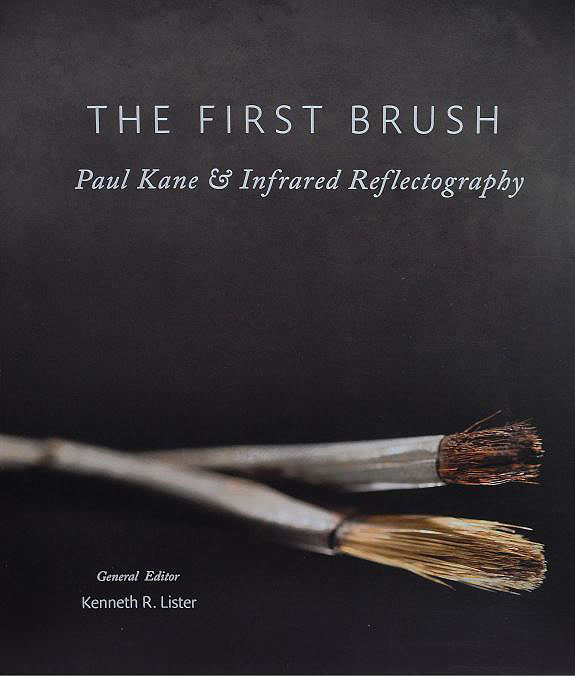
2014. The First Brush: Paul Kane and Infrared Reflectography. Toronto: Royal Ontario Museum
[With contributions by Ian Longo and George Bevan, and Heidi Sobol.]
Canadian artist Paul Kane lived in a century when foreign cultures expanded across North America. Indigenous cultures were encouraged to adopt different world views and alter the way they made a living. Kane—aware that Aboriginal cultures were changing—set out to produce a visual record of Indigenous peoples and the land they inhabited before such a record was no longer possible. From 1845 to 1848, Kane journeyed extensively across Canada, taking graphite, watercolour, and oil-on-paper sketches of the people he met and their cultural practices. As Kane worked on the final art, in some cases specific details were changed and compositions altered. With the “Near Infrared Reflectography” technique, we can “see” Kane struggling with the oil-on-canvas compositions in his studio. The First Brush: Paul Kane and Infrared Reflectography delves into comparisons between painted versions of the same scene and reveals the initial painting and the copy. Beneath the surface of the finished painting lie his initial renderings, first drawings, and painting efforts that expose his original intentions for the painting. Were they faithful to the sketch? Did he wrestle with a desire to present in grand fashion but then resist the temptation? This book provides insight into Paul Kane’s thinking and artistic processes between the years 1849 and 1856 when he painted in his Toronto studio. It explores the issue of truthfulness in Kane’s art and his struggle for composition. Additionally, these comparisons expose Kane’s response to external pressures and his steadfastness to a realized vision.
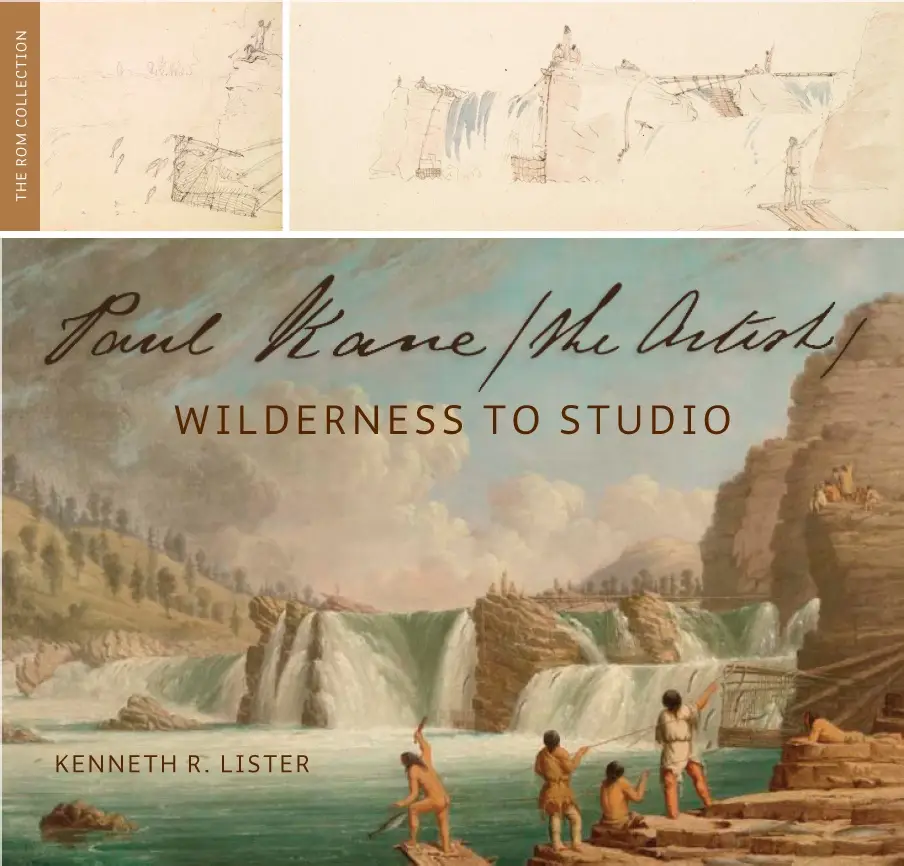 2010. Paul Kane / the Artist: Wilderness to Studio. Toronto: Royal Ontario Museum Press
[With contributions by Maude Cassels, Arlene Gehmacher, Paul James Kane, and Heidi Sobol]
Paul Kane’s evocative paintings of mid-19th-century Canada have become a treasured part of Canada’s heritage. The Royal Ontario Museum (ROM) holds the world’s most extensive collection of Kane’s art—100 oil paintings and 373 sketches in graphite, watercolour, and oil on paper. In the mid-1800s, Kane journeyed across Canada by canoe, bateau, horseback, dog sled, and snowshoes—from southern Ontario to the Pacific coast—driven by a passion for producing a visual record of Indigenous peoples, their customs, artifacts and the environments within which they lived. His sketches in the wilderness reflect what he saw, and they became the basis for the oil paintings he later completed in his Toronto studio. This is the first time that the ROM’s Kane sketches and paintings have been brought together and illustrated, and every painting has been colour-matched to the original under 5500K Verda-Ray Criticolor lighting to ensure colour accuracy. Lavishly illustrated, this volume will attract the general-interest reader, the art historian, the connoisseur of art, the anthropologist, and all those interested in Canadian history and the cultures of Indigenous peoples. Included are essays by Paul James Kane, Paul Kane's great-great-grandson; Maude Cassels, the eldest daughter of Paul Kane's principal patron, the Honourable George William Allan; Arlene Gehmacher, ROM Curator of Canadiana (Paintings, Prints, and Drawings); and Heidi Sobol, Senior Conservator of Paintings.
Awards: Independent Publisher Book Awards, New York: Silver Medal, Regional Category of Western Canada—non-fiction. International Book Awards, Los Angeles: Winner in the categories of Native American Studies, Art, and History. Finalist in the categories of Best Cover Design and Best Interior Design. International Design Awards, Los Angeles: Finalist in the Graphics category.
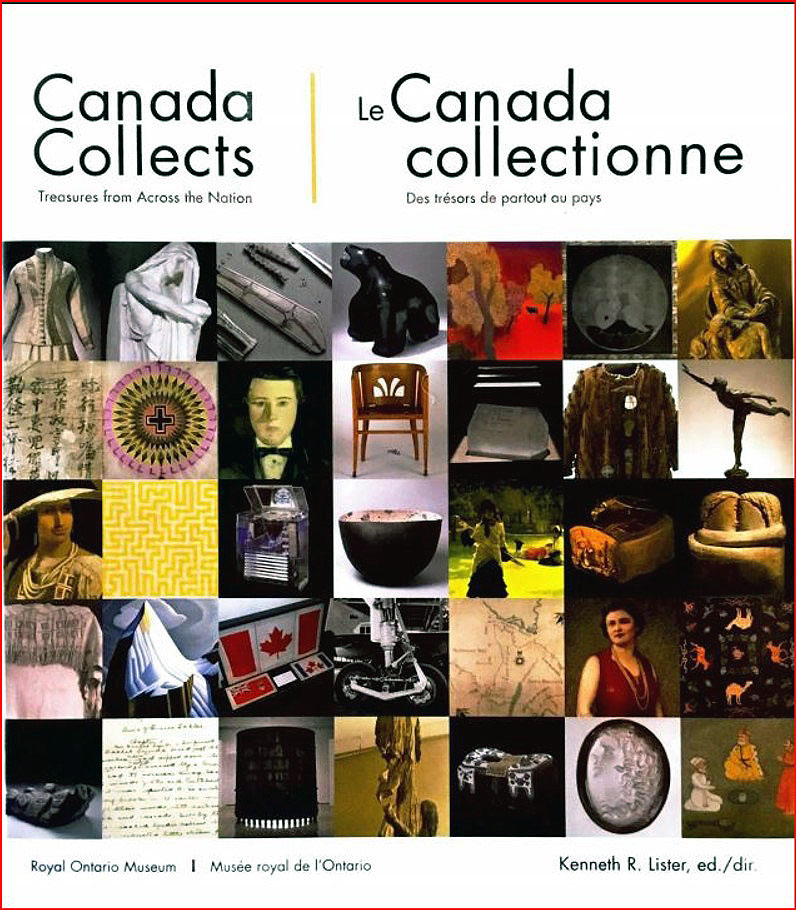
2007. Canada Collections: Treasures Across the Nation. Toronto: Royal Ontario Museum
Based on the Royal Ontario Museum exhibition, Canada Collects: Treasures from Across the Nation, this companion volume celebrates the art of collecting in Canada. More than seventy objects on loan from some fifty Canadian institutional and private collections are featured, from an original historical map and manuscript to contemporary paintings and sculptures. Canada Collects underlines the fraternity among great museums and individual collectors, as well as Canadians’ sophisticated interest in cultures of other places. In addition to the many international artifacts selected, Canada Collects exhibits some of the most iconic artifacts of Canada, including a 1709 Hudson’s Bay Company map; Lucy Maud Montgomery’s original manuscript for "Anne of Green Gables" (1905); Walter S. Allward’s powerful maquette, "Justice" (c. 1925–1930) for the Vimy Ridge Memorial; artifacts from the fabled Avo Arrow aircraft (1958); the first Canadian maple leaf flag (1965); a gold Dogfish Brooch (c. 1959) by Haida artist Bill Reid; Chromogenic transparency titled "Bad Goods" (1984) by Jeff Wall; Tim Whiten’s cast glass, "Dwelling #5" (1991); and Pierre Elliot Trudeau’s birchbark canoe (1968).
Book Contributions
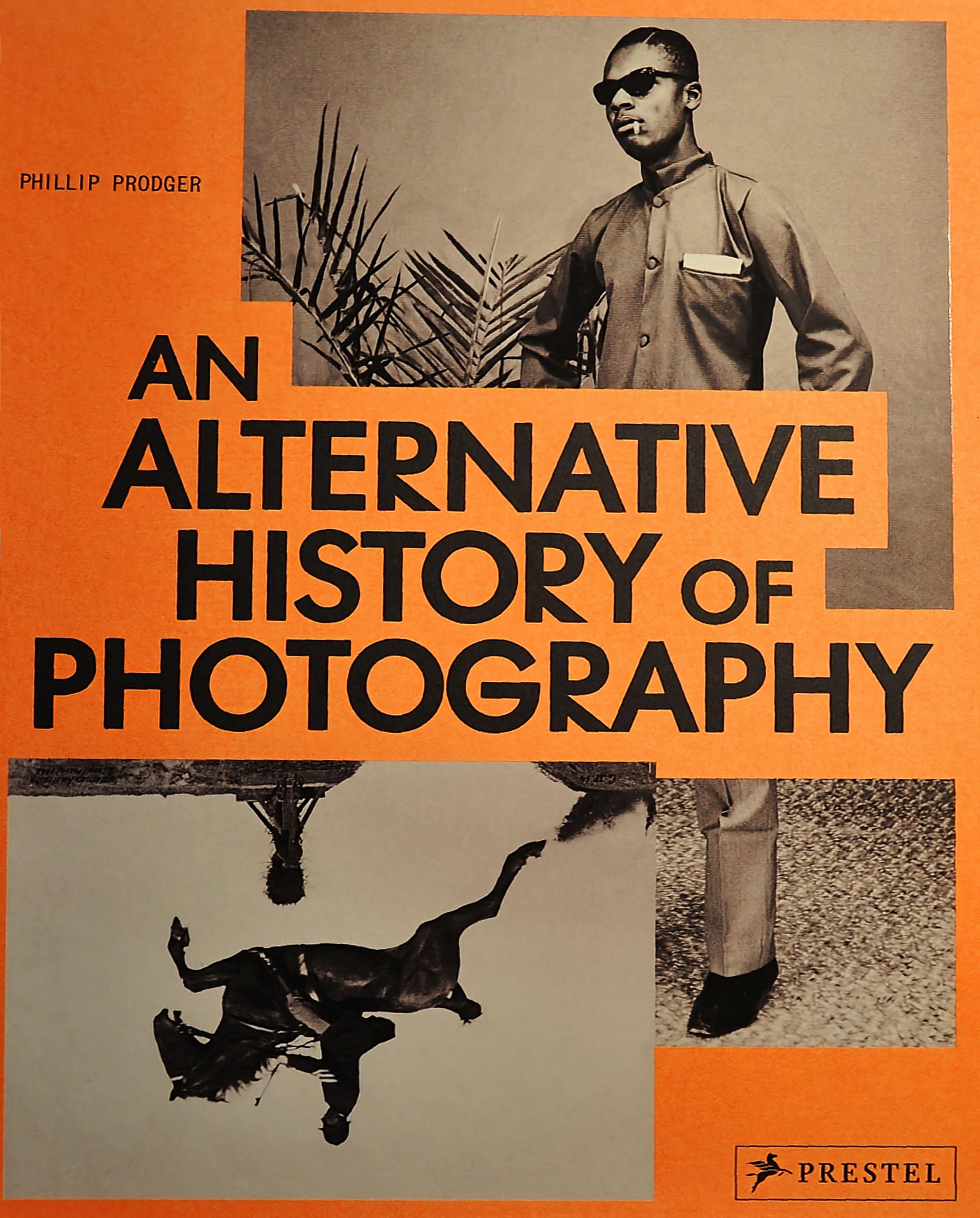
2022
Paul-Emile Miot: Mi’kwaw Woman Posed on the Stern Deck of a Schooner, Newfoundland, 1857‒61. In An Alternative History of Photography, ed. Phillip Prodger, 91‒92. Munich, London, New York: Prestel Verlag.
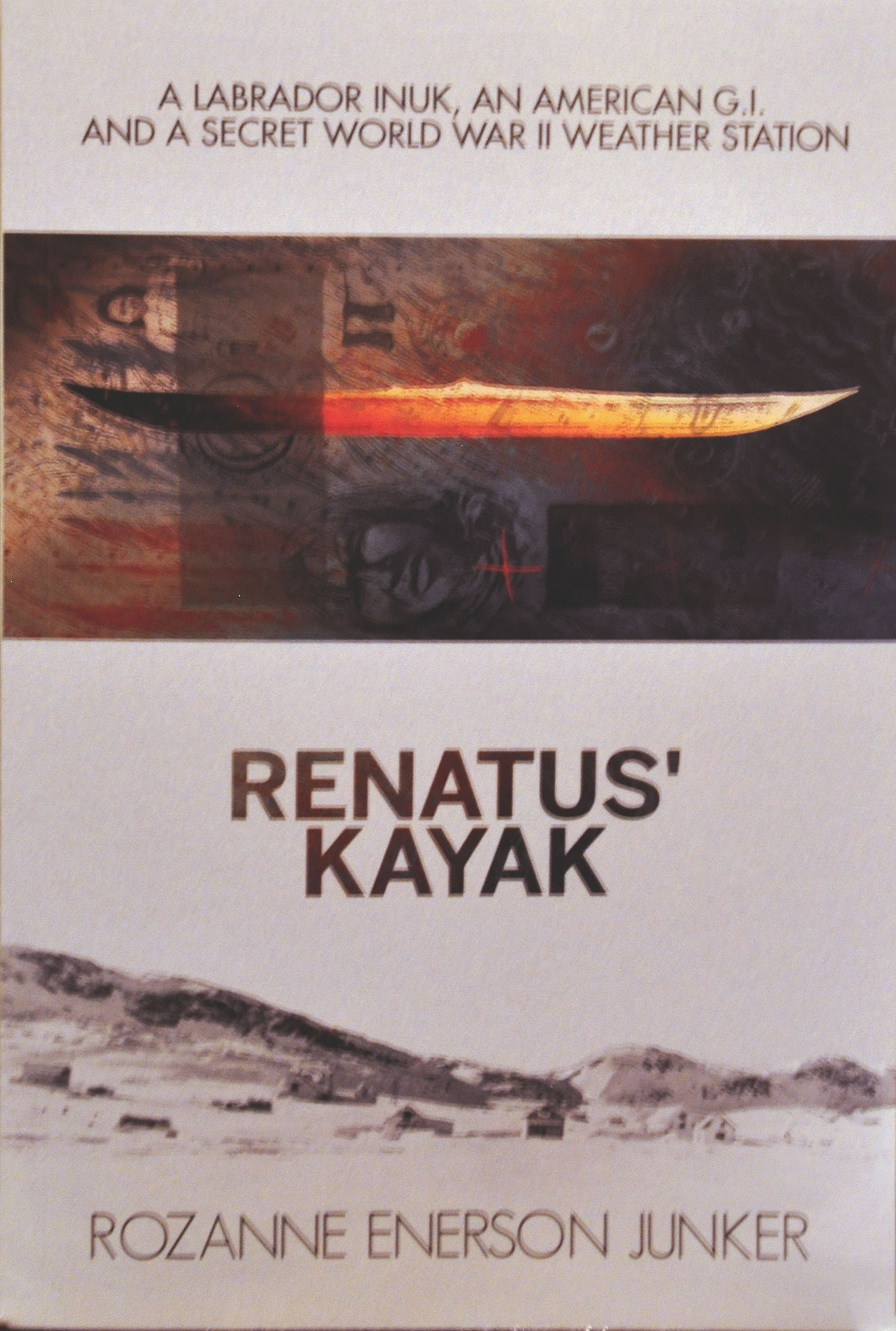
2017
Foreward. In Rozanne Enerson Junker, Renatus’ Kayak: A Labrador Inuk, An American G.I. and a Secret World War II Weather Station. Gatineau, Quebec: Polar Horizons Inc.
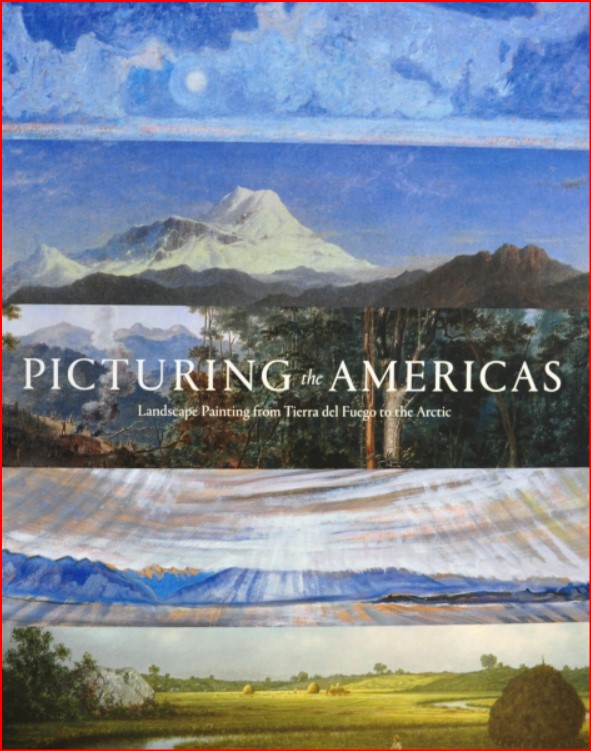
2015
Paul Kane. Half Breed Encampment and The Athabasca in the Mountains. In Picturing The Americas: Landscape Painting from Tierra del Fuego to the Arctic, ed. Peter John Brownlee, Valéria Piccoli and Georgiana Uhlyarik, 82–85. New Haven and London: Yale University Press.
2014
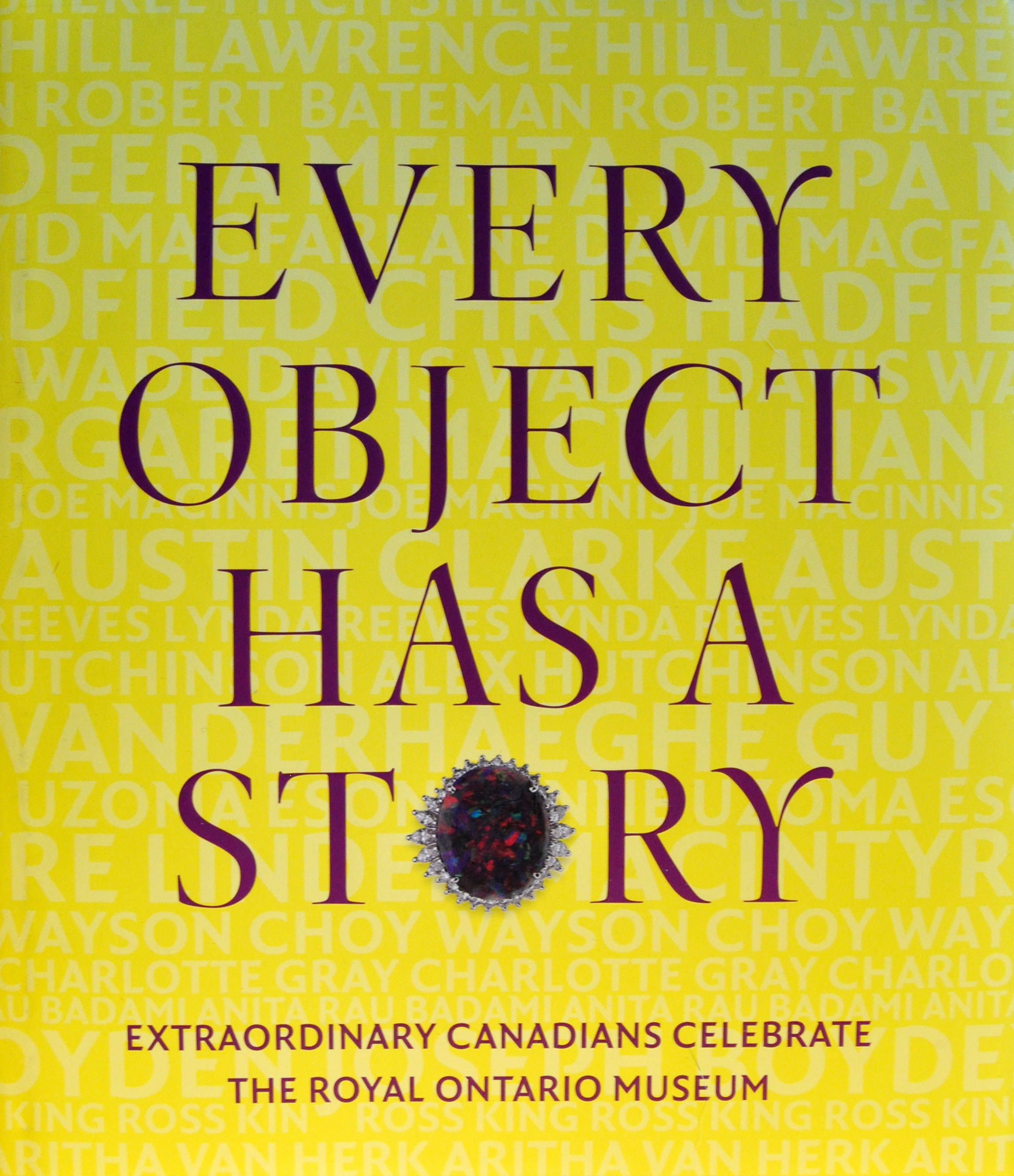
Hudson Strait Kayak, with Wade Davis. In Every Object Has a Story, edited by John Macfarlane, 44–51. Toronto: RoyalOntarioMuseum and The Walrus Foundation.
2014
Fishing by Torchlight, with Ross King. In Every Object Has a Story, edited by John Macfarlane, 98–103. Toronto: RoyalOntarioMuseum and The Walrus Foundation.
2009
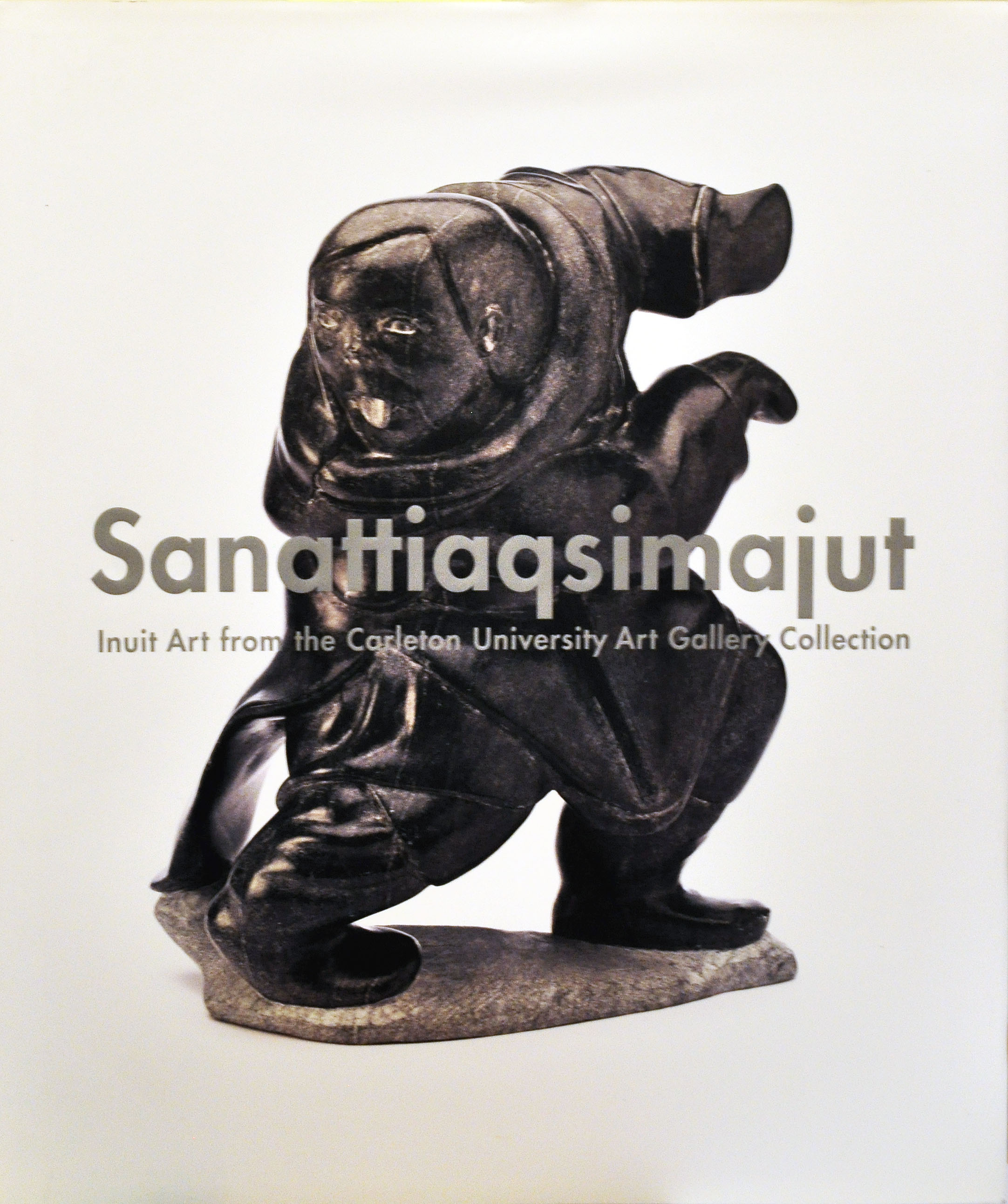
‘Ivory Work’: Inuit Representations from the Historic Period. In Sanattiaqsimajut: Inuit Art from the Carleton University Art Gallery Collection, edited by Sandra Dyck, 106–107. Ottawa: Carleton UniversityArtGallery.
2004
Paul Kane. In David J. Wishart, ed. Encyclopedia of the Great Plains, 123–124. University of Nebraska Press—Lincoln.
2002
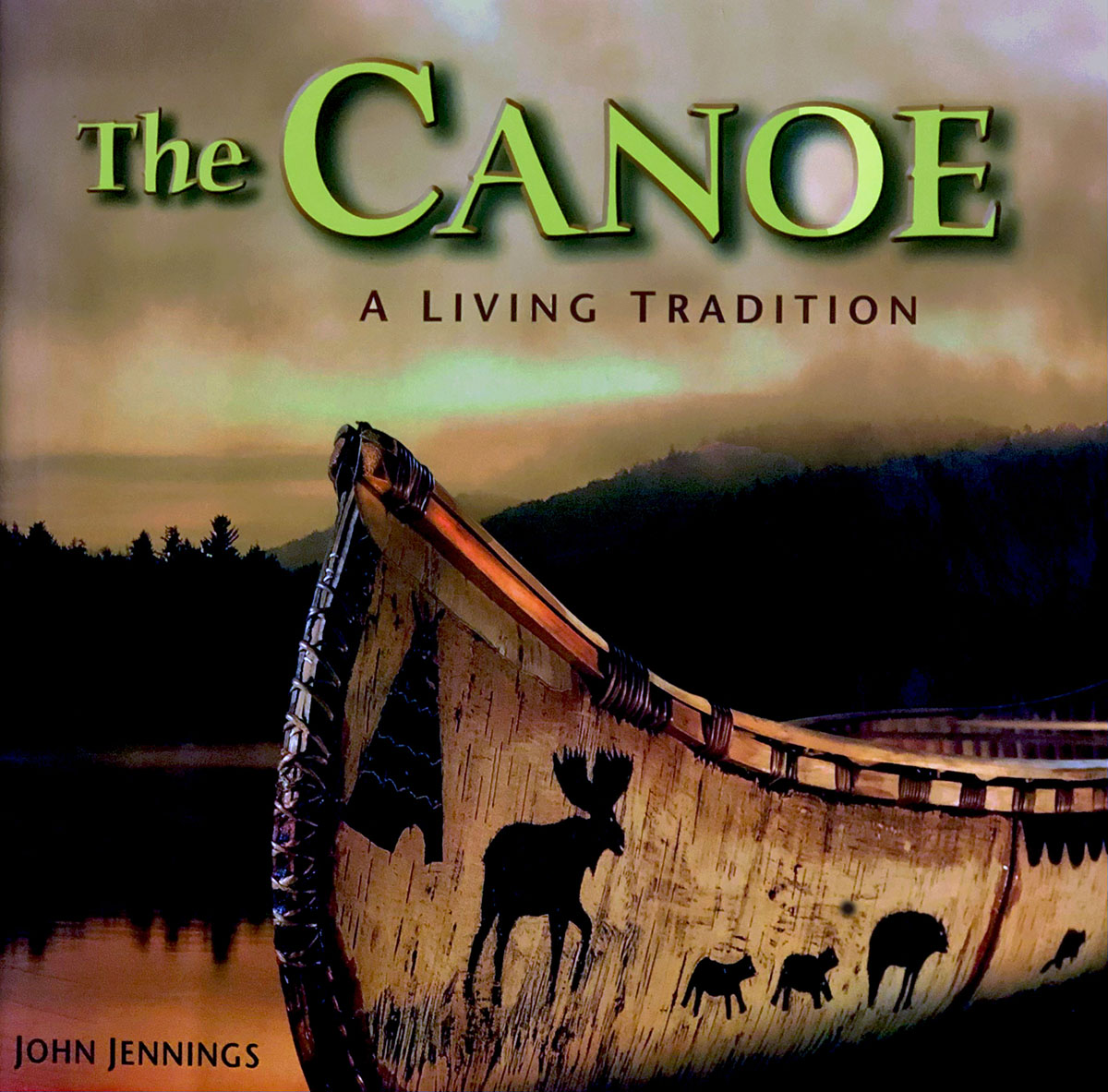
The Kayak and the Walrus. In John Jennings, ed. The North American Canoe: The Living Tradition, 120–137. Firefly Books Ltd.
2000
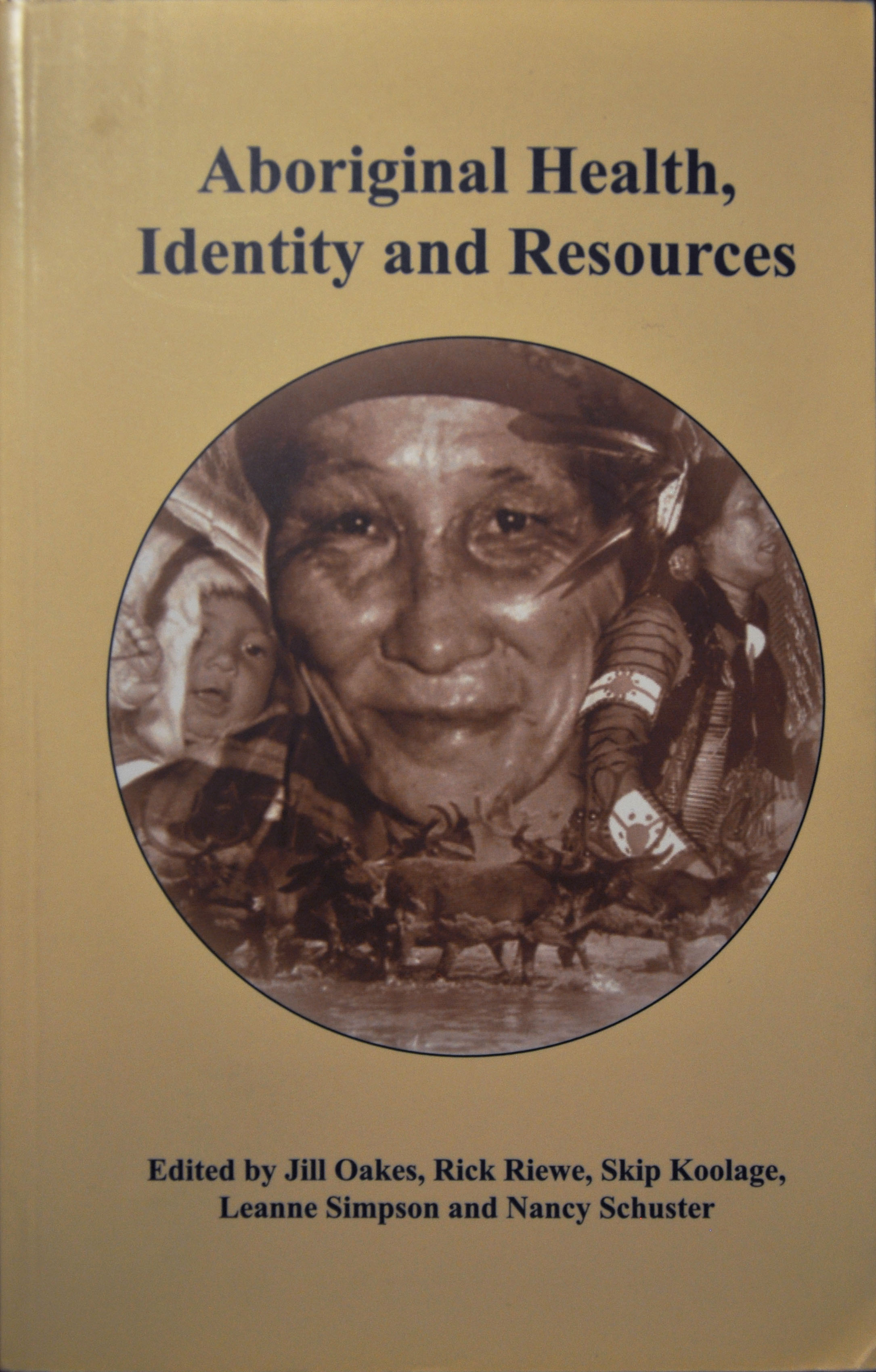
Paul Kane’s Romance. In Jill Oakes, Rick Riewe, et al. (eds.), 205–216. Aboriginal Health, Identity and Resources. Departments of Native Studies and Zoology, and Faculty of Graduate Studies, University of Manitoba.
1999
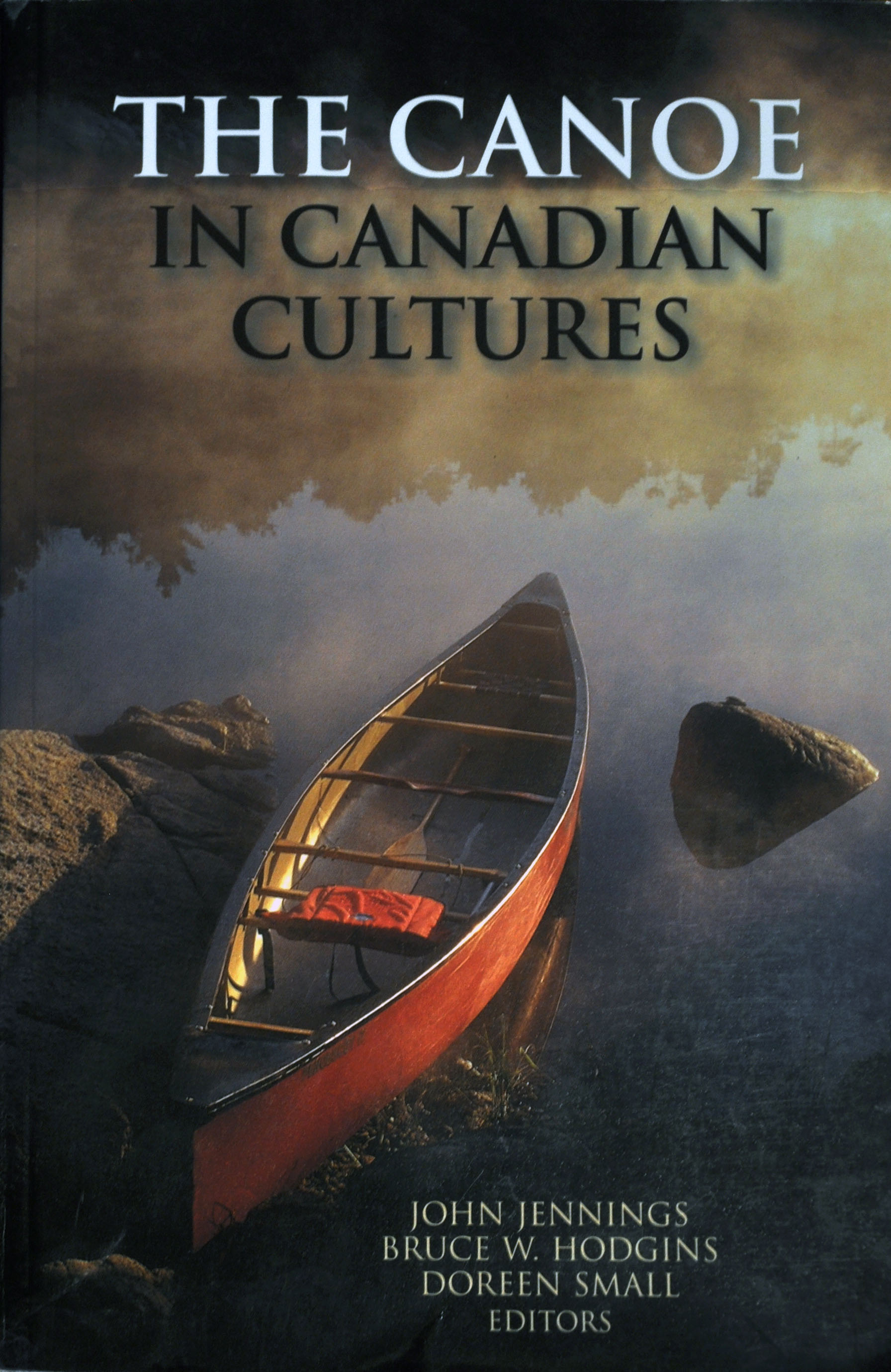
‘Extremely Cranky Craft’: The James W. Tyrrell Kayak, Big Island, Hudson Strait. In John Jennings, Bruce W. Hodgins, and Doreen Small, eds. The Canoe in Canadian Cultures, 28–42. Toronto: Natural Heritage/ Natural History Inc.
1988
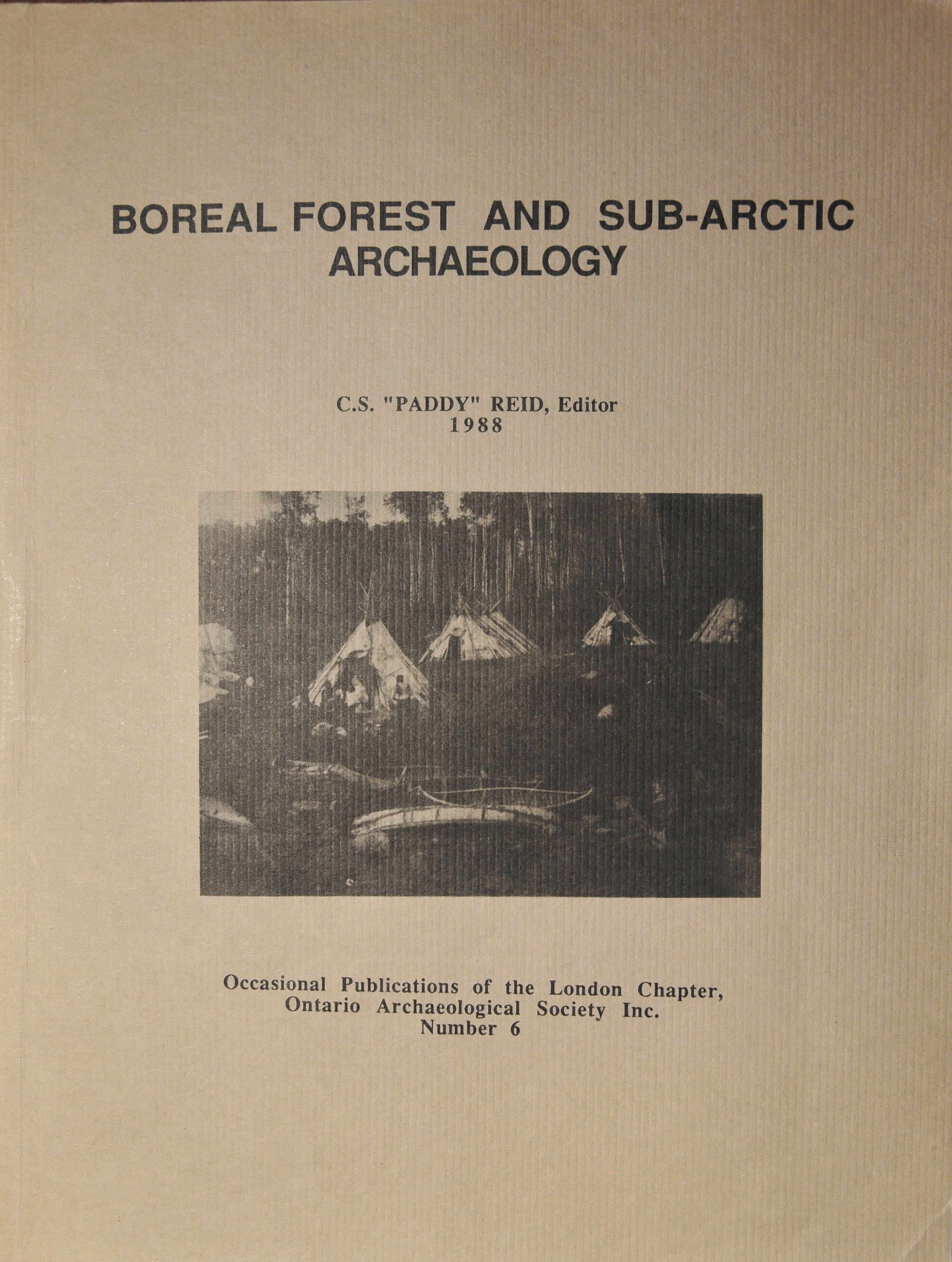
Provisioned at Fishing Stations: Fish and the Native Occupation of the Hudson Bay Lowland. In C.S. "Paddy" Reid, ed. Boreal Forest and Sub‑Arctic Archaeology, 72–99. Occasional Publications of the London Chapter, Ontario Archaeological Society Inc., Number 6.