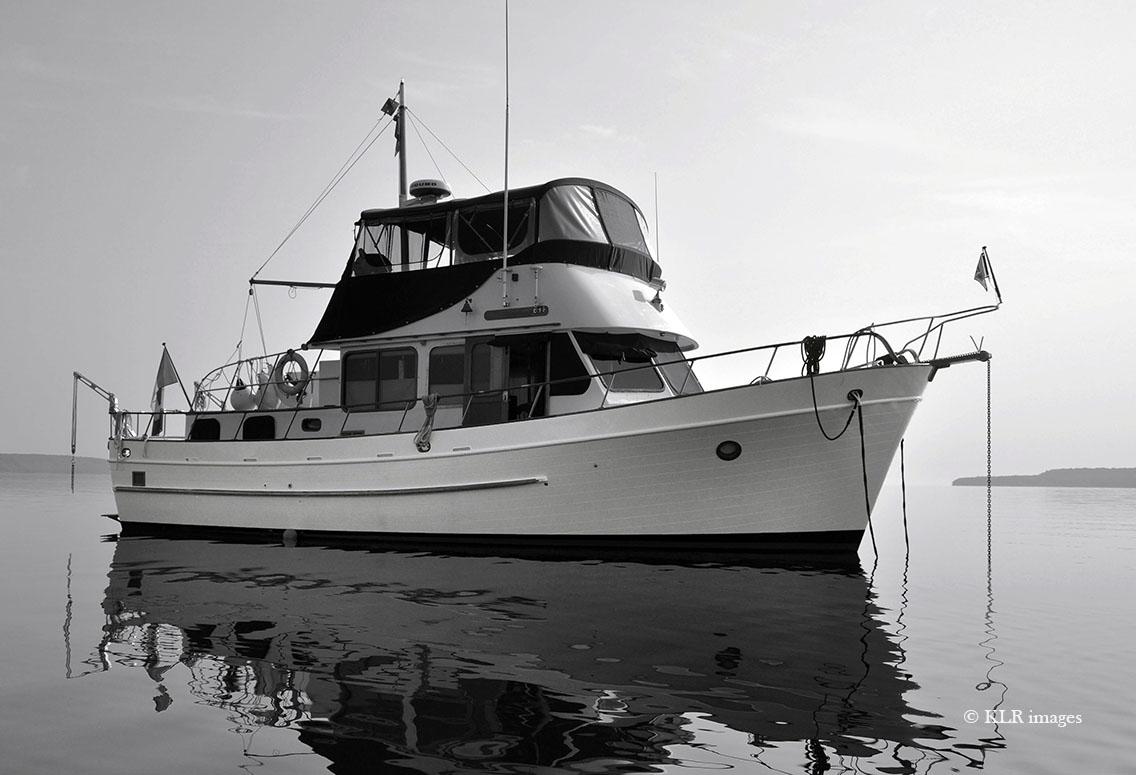
These waters of the Bruce Peninsula were once jubilant with whitefish, trout, and herring in such numbers that they fed a vital fishery, both commercial and personal. This wealth of the waters has dwindled now due to overfishing, invasive species, and habitat destruction. But, mergansers still fish; trembling aspen, tamarack, birch, cedar, and white pine line the shore; the sky is the colour of robin eggs and tin; you often wake to “looning” in the early dawn hours; the escarpment—over 400 millions years old—enfolds this bay; and the water is clear as vermouth and gin.
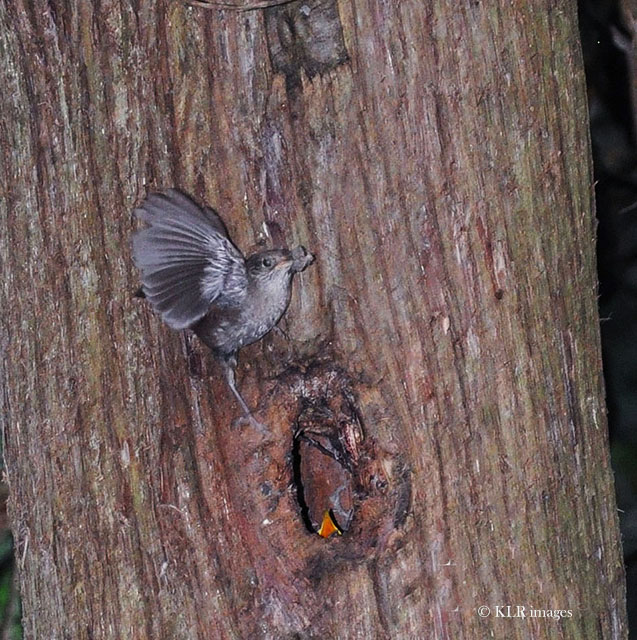
Often I go to the waterside when the morning sun is at a certain angle just to see the cedars ripple with light. At midday, sit on a fallen aspen trunk on the ground sprinkled with the blue of wild basil just to hear the rustle of aspen leaves above the lower rush of the lake a distance beyond. In the evening, sit on the west side of the cabin bound by cedar, birch, and tamarack just to observe the last rays of the day and the pattern of its calling card delivered through the crosshatch of branches. As a final gesture—to the waltz of bats against the curtain of diminishing light—visit the waterside just to be with the waves as they slide over limestone in the semblance of overlapping sheets of mica. Here, in the space an island bestows, a few moments awake with the wren at her nest offers more than a slumbering hour in the dim of a college library.
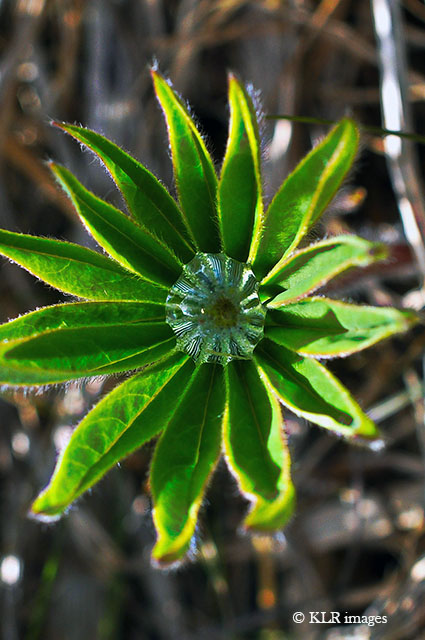
Intimacy is to peer into the water crystal carefully caressed in the leaflets of the garden lupine. To peer so close, we can smell the decaying stalks of last year’s beachgrass and hear the buzz of the ambling bee. Conversely, inviting a more distant view is the yellow bloom of wild daffodils demonstrating amongst the protective grey alders where the ring-necked pheasant and the American woodcock stalk.
Allowed its wildness, the land chooses diversity. This is how it expresses itself. This is its authority! Being here in this island landscape—sitting, patient, attentive, silent—she teaches the fallacy of exceptionalism made all the more expressive by a clump of cinnamon ferns exploding from the ground recently released from flood.
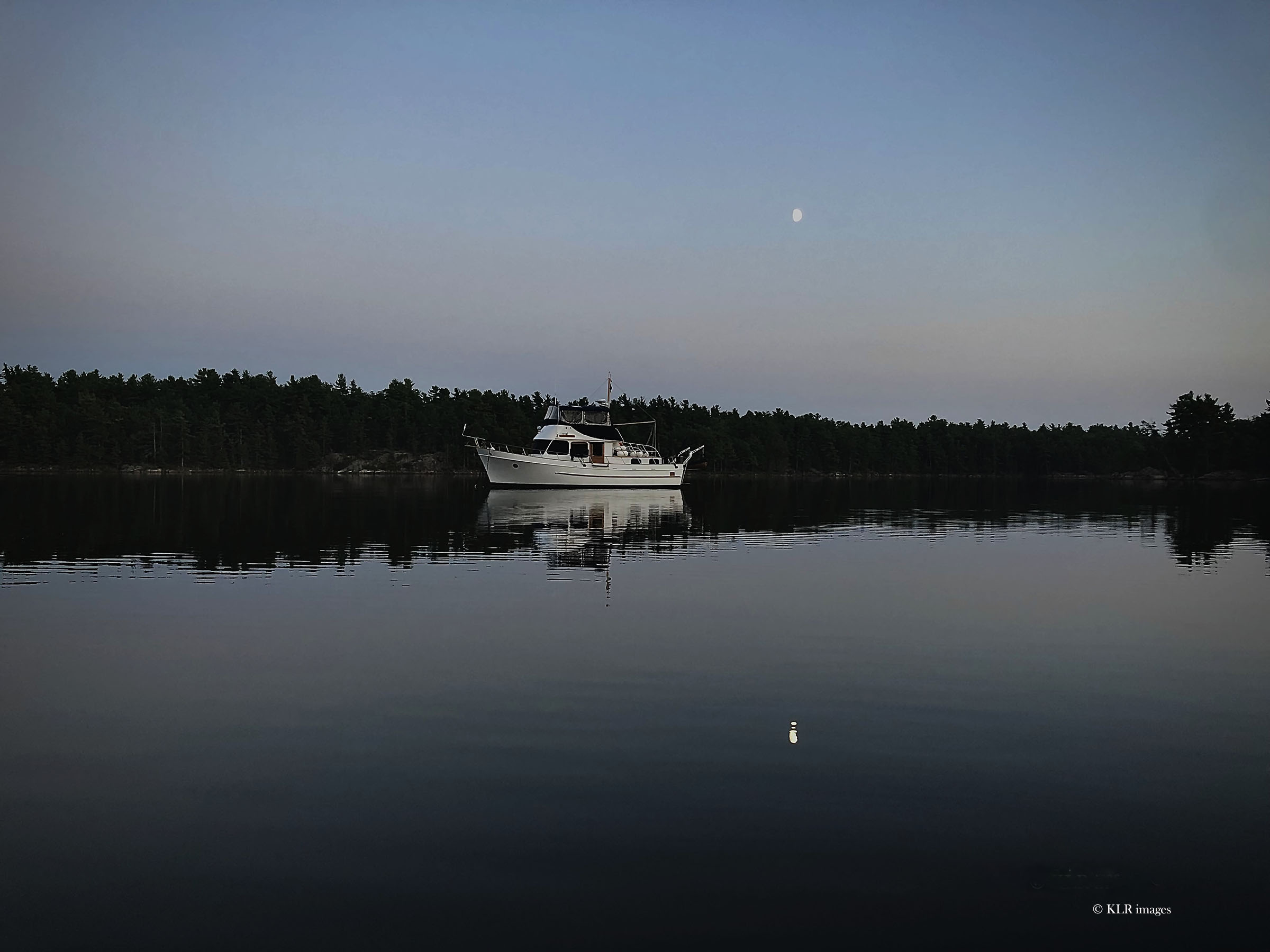 In solitude is deference for the state of submission to personal innovation, a form of insurrection--disobedience to conformity. To root in the revered atmosphere of concentrated time, repose in stillness. Seek the time to read Ovid’s Metamorphoses or Melville’s Moby Dick in the space that is required. Listen uninterrupted to Bach’s concertos or the Paul Winter Consort recorded at the Cathedral of St. John the Divine. Witness the sunrise when the winter wren sings and feel the dusk when the air turns damp and the candles beckon. Savour the appearance of Venus in the darkening sky and anticipate the sound of air streaming through the wing feathers of the passing mallards. Study the meandering raindrops from a strong nor’easter as they wash the window of its salt mist. Nurture our instinct to feel and seek the space for critical reflection. The fog horn, sonorous in the dark distance, is a warning. The aware mariner adjusts course. The seeker, too, is aware and leans away toward the engaging solitude.
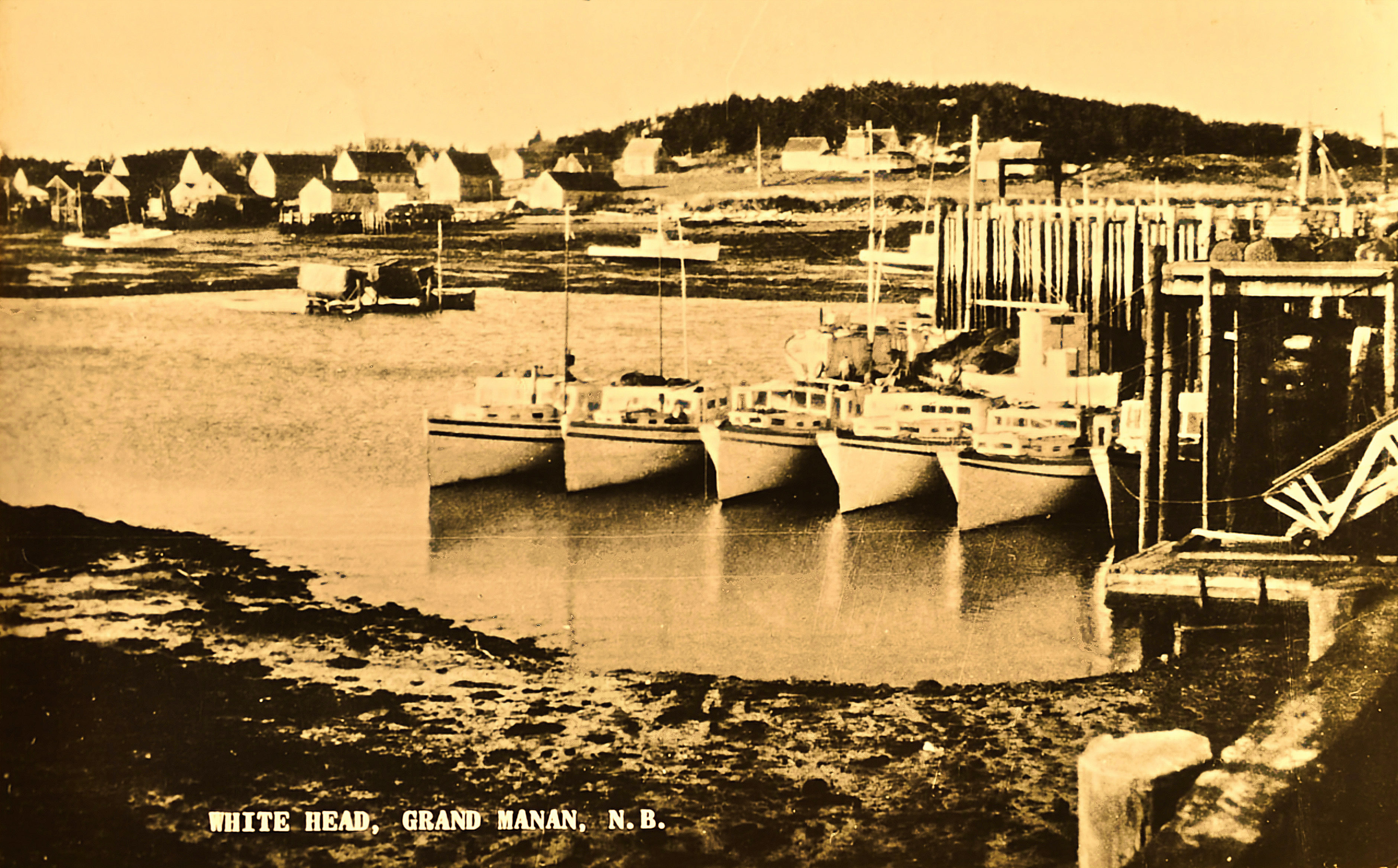

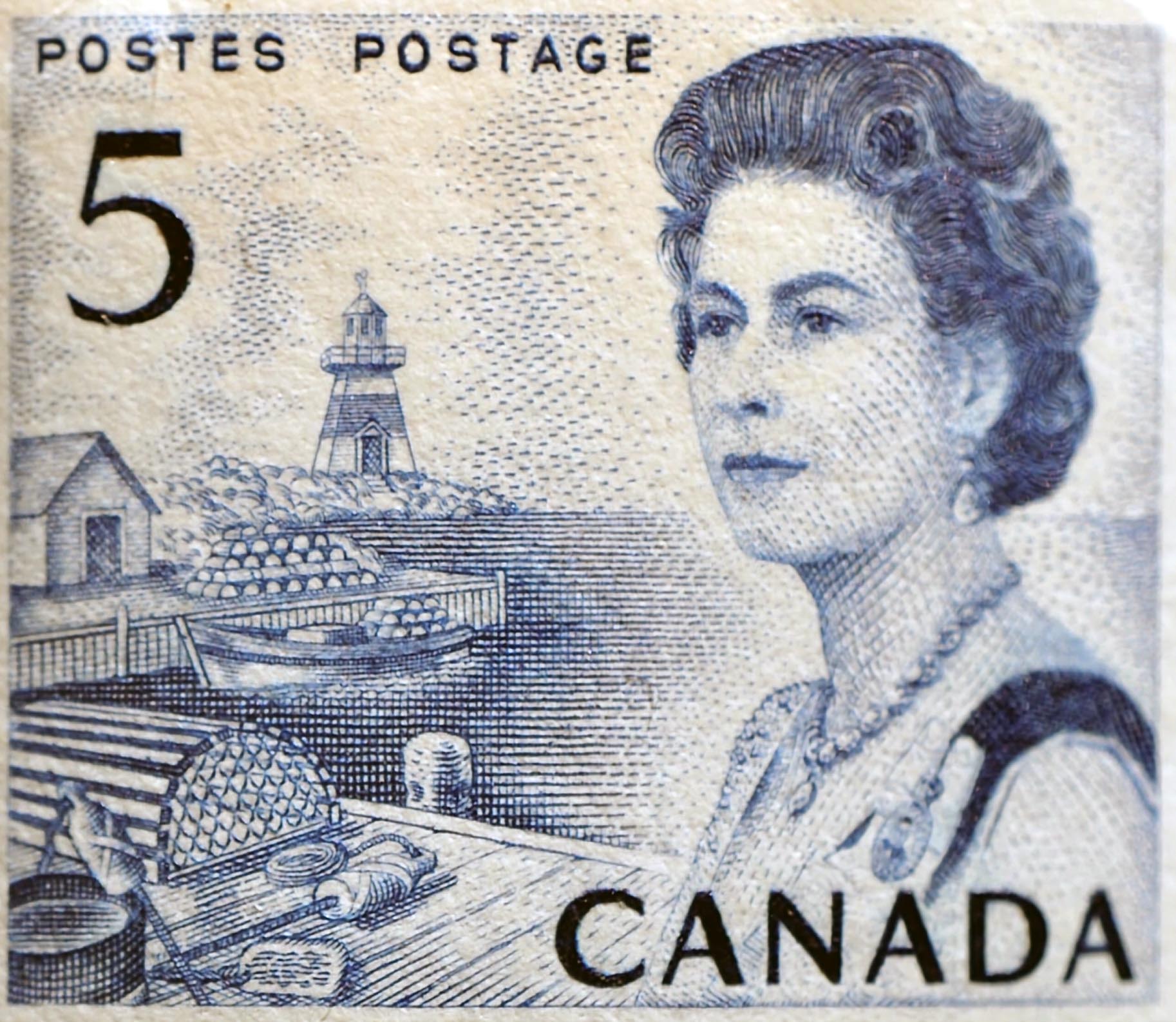
“White Head, Grand Manan, N.B.” identifies this postcard’s scene, and those of us who live here recognize the cove and its southwestern shore. The message on the reverse begins, “an island we visited from Grand Manan,” and over a 1963 Queen Elizabeth II 4-cents stamp, the postmark is dated July 13, 1966.
The architectural changes on the far shore are startling, but the most impressive is the rafting of the Cape Island-type fishing boats. Ten Cape Island-type fishing boats, including three resting on the tide-bare cove bottom, are shown in total. All of the boats appear to have come from the same shipyard, likely from the yards of Cape St. Marys, Nova Scotia.
The hull materials included oak, yellow birch, or maple keels and garboards, oak frames and sheer strakes, and spruce planking with oak sheathing along the waterline. After the Second World War, the Cape Island-type boat took on its iconic design, including a forward cuddy with a raised forecastle deck, wheelhouse, gurdy house, and open watertight aft deck.
By the mid-1980s, though, wood boat construction had yielded to fibreglass. Yet, to this day, the wood Cape Islander is the iconic image of the Atlantic fisheries. From a 1965 painting by Maud Lewis recently acquired by the Art Gallery of Nova Scotia to a 2017 commemorative Loonie celebrating Canada’s 150th anniversary, and from a 1967 Queen Elizabeth II 5-cents “Atlantic Coast” stamp to Stan Rogers’ lyrics in “Make and Break Harbour,” the Cape Island-type fishing vessel is the Canadian vision of New Brunswick and Nova Scotia harbours.
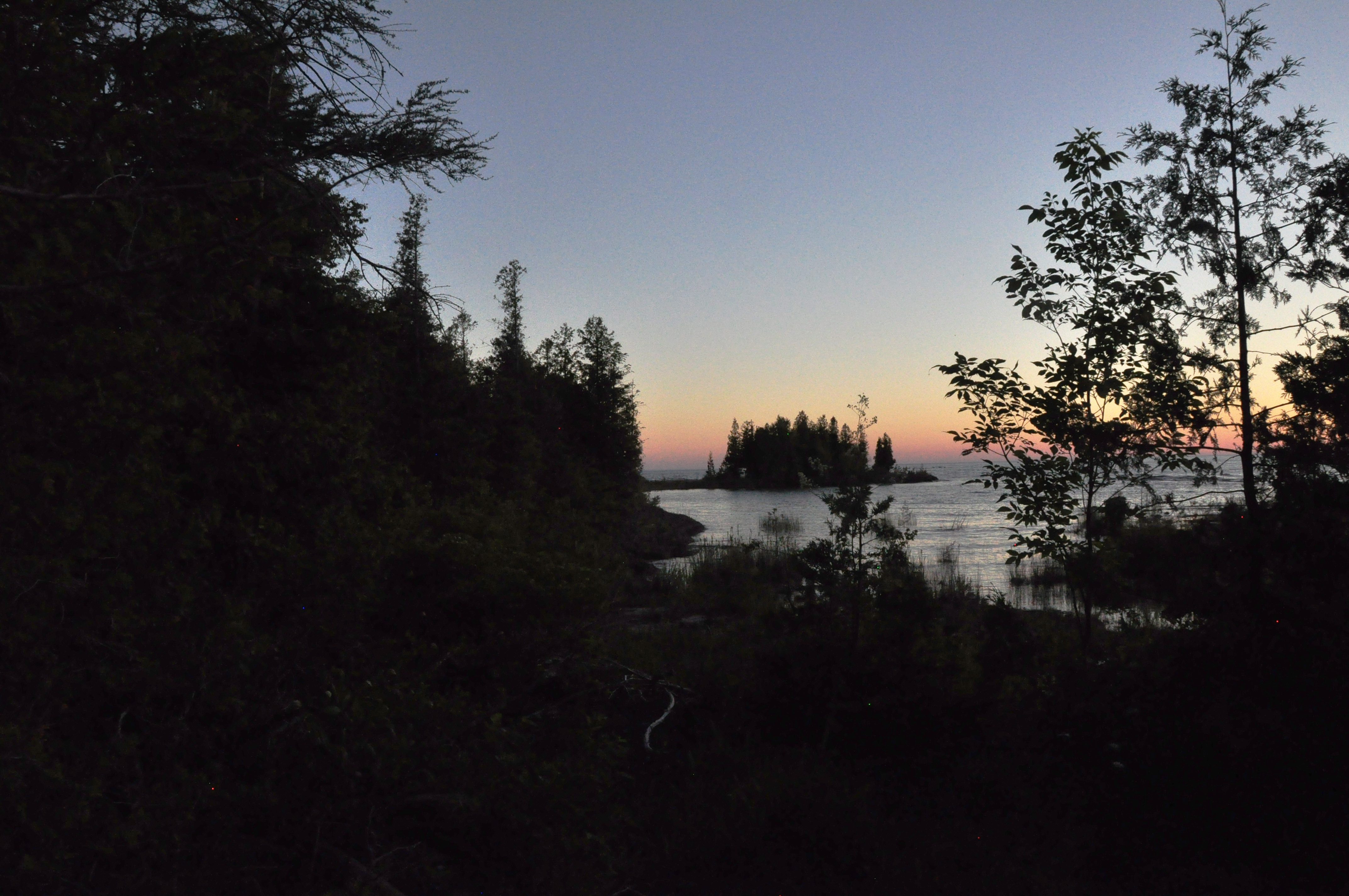 Lake Huron, Ontario
These islands where I live embody inside and outside histories. They endure our young histories, but their times are deep. Enduring, perennial—transforming, yet grounded. The eagles and eiders are confident and interminable, ahistorical and hunting still.
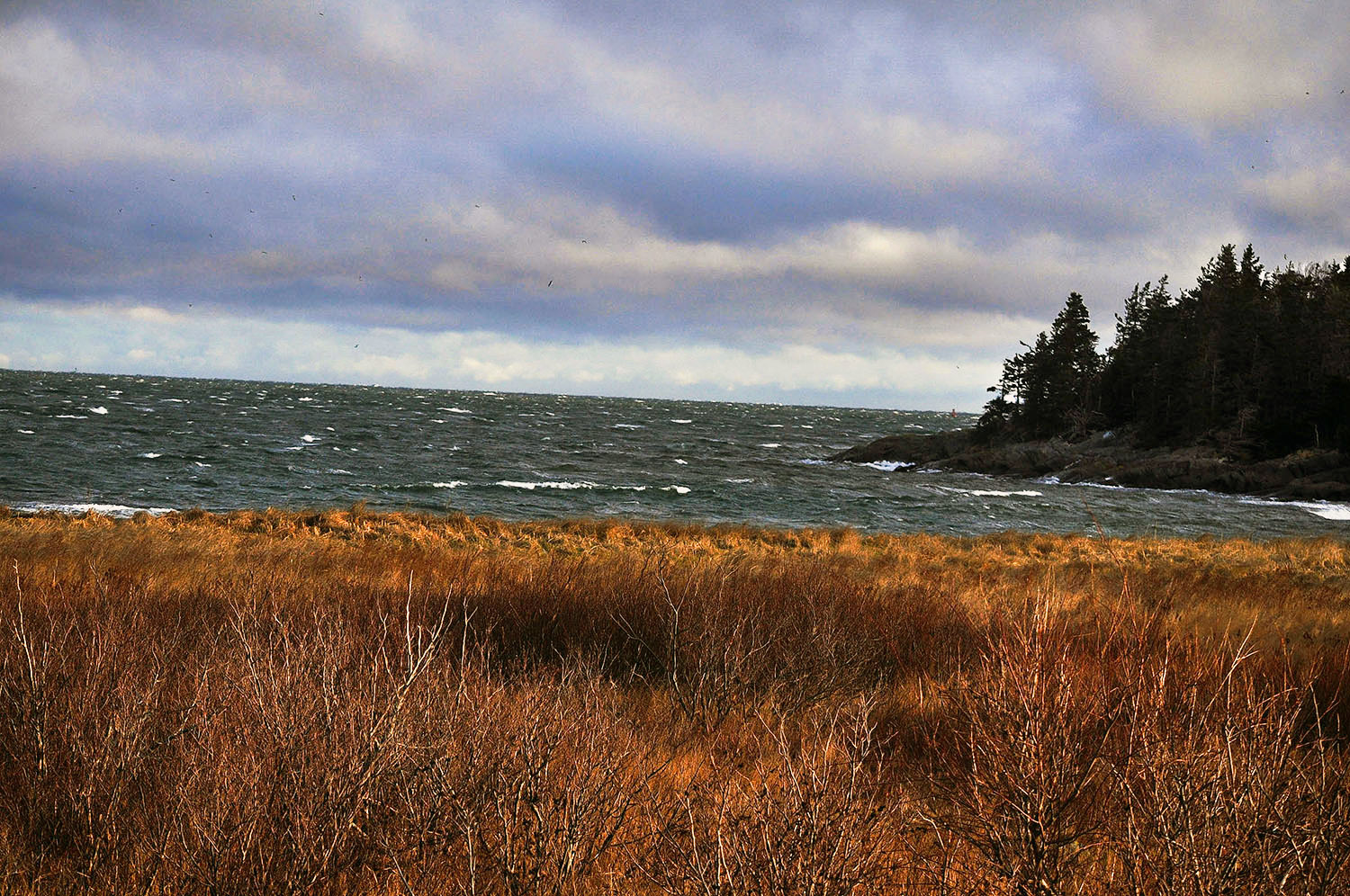
Bay of Fundy, New Brunswick
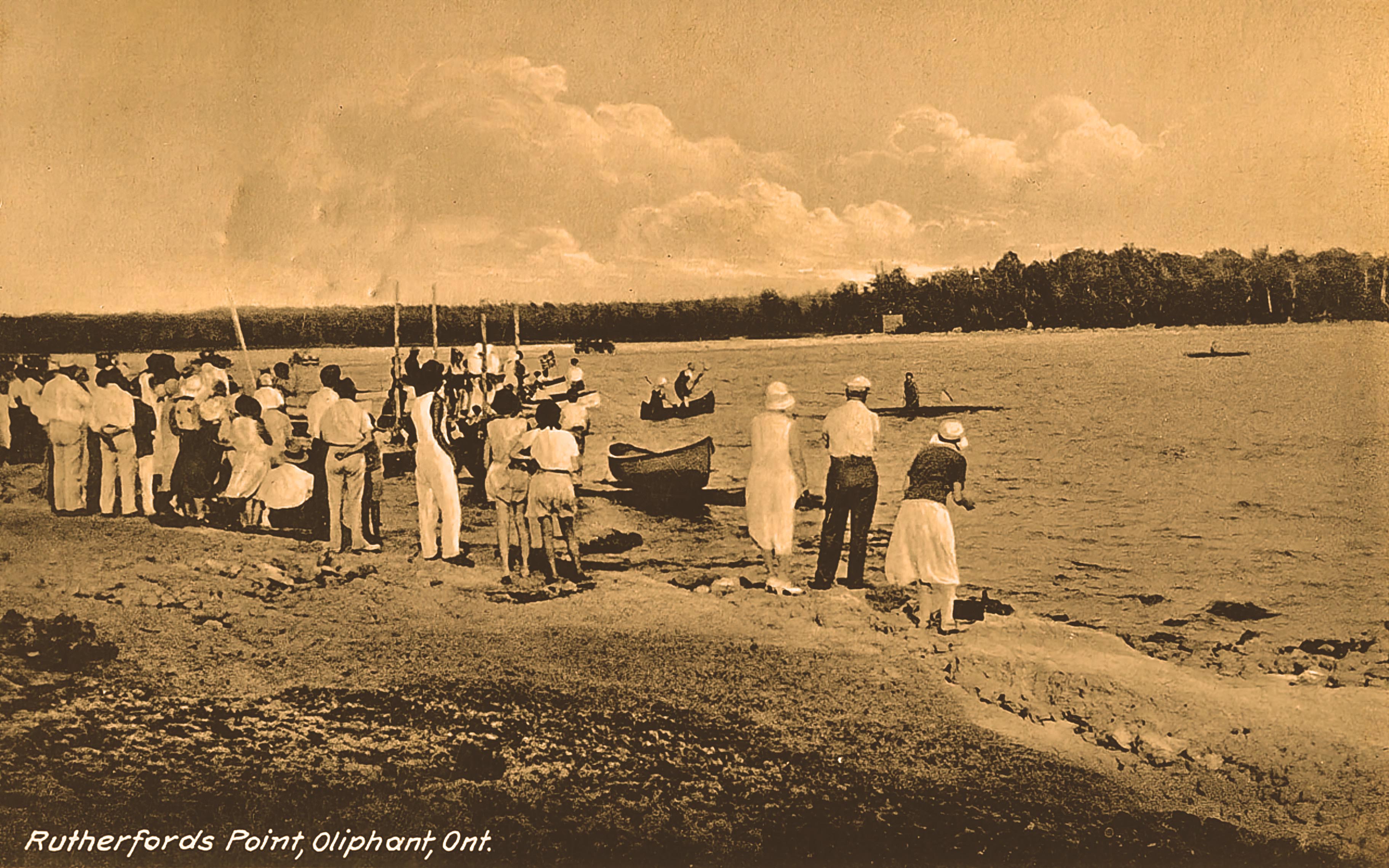
“Rutherfords Point, Oliphant, Ont.” labels the postcard's image of a canoe event in the annual regatta—a familiar image of us, participants and bystanders. It seems odd, though, that the only bystander showing enthusiasm is the woman on the right, with her stance matched by the swirl of her skirt in a moment of excitement. Change the scene, and it could show a gaggle of academics in a conference lounge.
As is true of most postcards, the reverse can be as significant as the image, providing context to the sender’s frame of mind and postcard choice. In neatly written longhand, the message offers, “Having a grand time—nice weather & lots of fun.” The sender seems uplifted, commensurate with the “grand time” and “lots of fun” of a regatta. But the date is portentous! The Wiarton postmark, stamped over an upside-down 2-cent King George VI stamp, is dated August 14, 1939. As this postcard was placed in the mail, it would be but seventeen days until Adolf Hitler ordered the invasion of Poland. And in three years—1942— the regatta will be cancelled due to a lack of participants otherwise engaged.
Although the photograph's date is unknown, to be sure, every individual at the regatta, as well as the sender, saw and heard the darkening horizon. The growing cumulus clouds looming in the east threaten the event as they may also be symbolic foreshadowing to be viewed as if we are deciphering elements in a Romantic-era painting.
Enjoying the moment in the face of a storm is resistance. Organizing, participating in, and observing a regatta in the face of a storm, despite our darkening mood and deepening angst, is resistance. And this resistance is a bloom of sanity.
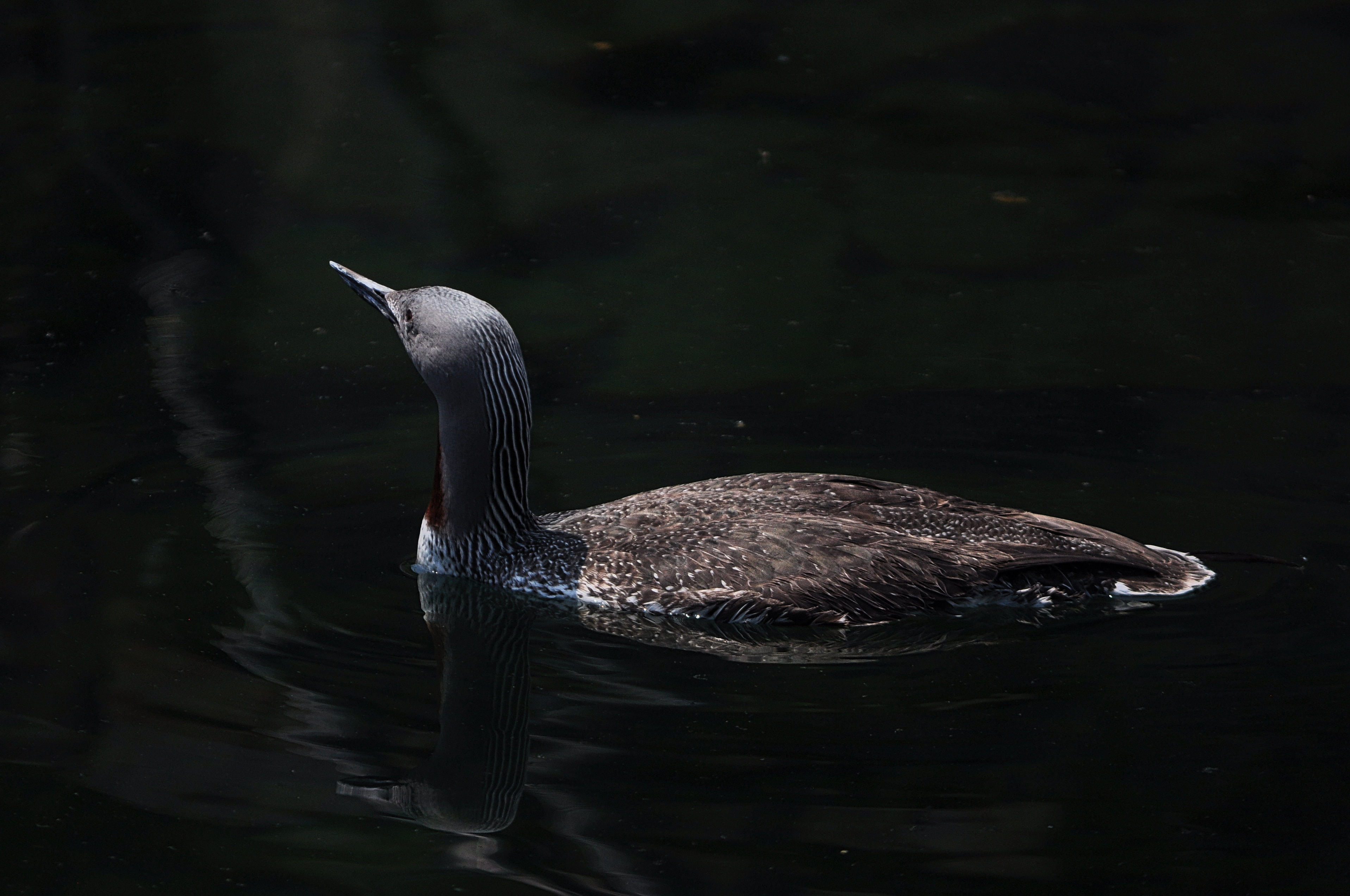
Bird migration is complete with empty spaces. That is, as a bird passes over, extensive ribbons of landscape are left untouched. Colpoys Bay—a deep inlet gouged into the southeastern side of the Bruce Peninsula—is perhaps an example of such an empty space. But this year, the Bay was chosen as a rare layover by a red-throated loon.
In full breeding plumage, the loon displayed a rust-red throat patch, a gray head, fine white stripes down the back of the neck, and white flecking over her upperparts. The loon would have wintered along the U.S. mid-Atlantic coast and was following one of four migration routes north to her Arctic breeding ground. Three routes track east and north of the Great Lakes, but this loon was following a path through the lower Great Lakes to James and Hudson Bays, heading to its more northern destination.
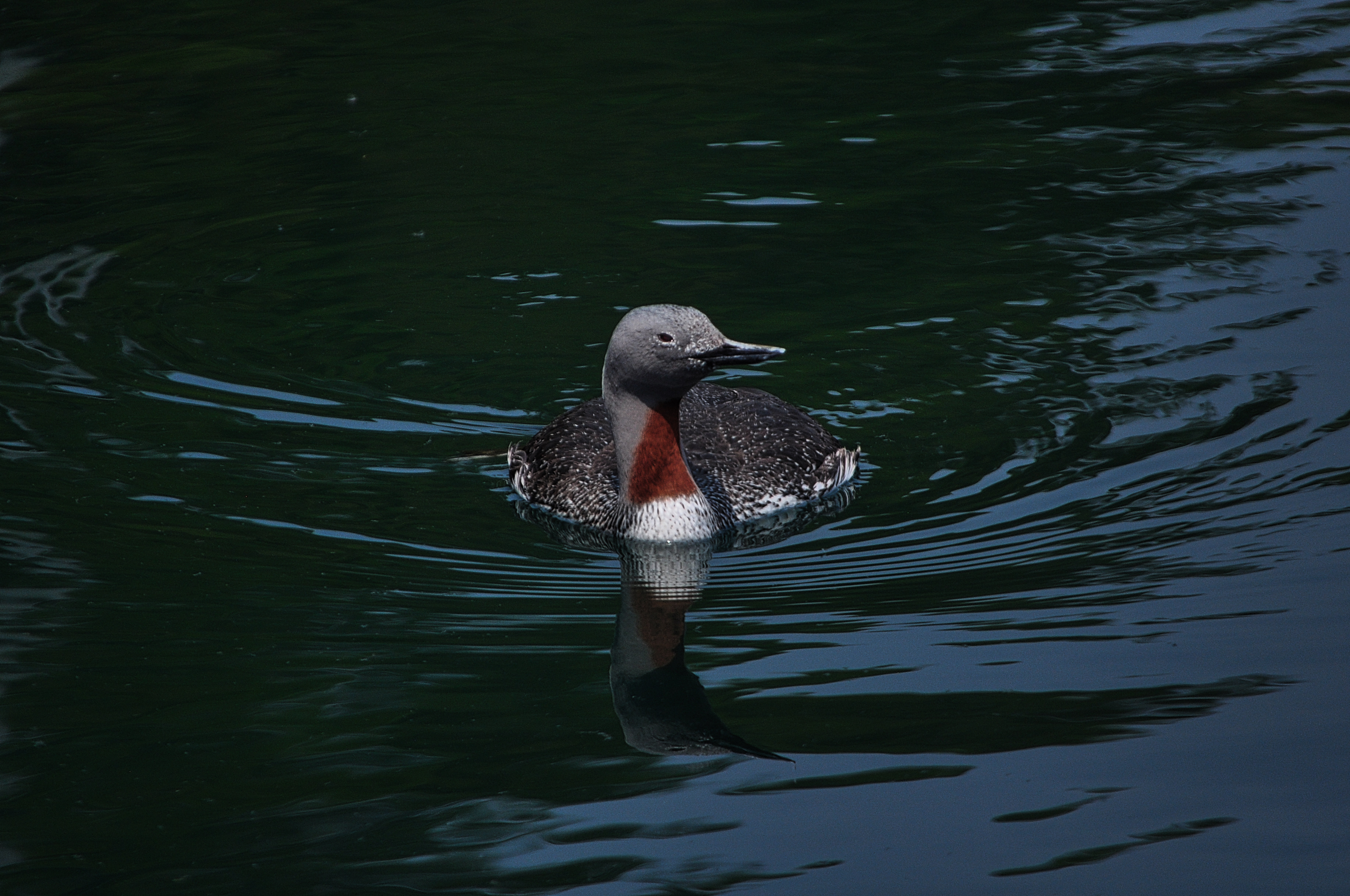
In a study tracking thirty-six loons (Journal of Ornithology, 2023), only four loons (1.4%) followed the latter route— which includes a few weeks of layover in the lower Great Lakes—demonstrating the likelihood of a sighting in Colpoys Bay as very rare indeed.
Dedicated birders are resolute in their desire to track down rare sightings. Like responsible mariners ready with a “ditch bag,” birders keep their cars full of gas, water bottles on the kitchen counter, and binoculars by the door, all arranged for a long drive at the news of a rare sighting. Here at the Wiarton Marina, however, cups of coffee and chairs on the back decks were all that were necessary to rejoice in this rare event. Like a finch that visits for a few seconds of curiosity on the deck railing, the loon was not a check mark on a bird list, not a sign, not an omen, and not an avenue to literary artifice—but a moment of shared connection and a gift of grace. Within three days, she was gone.